
A day in Janta Nagar: My first field visit with SNEHA
May 8 2026 / Posted in Child nutrition
- By Himanshi Patni, Research intern
On the 31st of March 2026, I had the opportunity to go on my first field visit in the Janta Nagar basti of Mumbai as part of my internship with SNEHA. Before I set out for the day, I was filled with curiosity and jitters. We have all grown up listening about the informal settlements of Mumbai. About the two Indias that we can clearly observe in this city of dreams. Having lived in Mumbai for about 8 months for my Master's in Public Health at TISS, it would be the first time I would visit the other side of Mumbai. What followed was one of the most grounding and eye-opening experiences of my Masters so far.
The objective of the field visit was to observe and understand the data collection process of SNEHA’s Central Monitoring and Evaluation team. The day began with an orientation by the Program Officer of M & E who introduced us to the investigation team, and we were acquainted with the general process of screening and data collection. The program was a Maternal and Child Health (MCH) indirect intervention in which the SNEHA team appoints volunteers in the community, called Community Action Groups, who are linked with government service providers such as ASHAs, anganwadi workers, ANMs, etc., to improve service delivery. The interview involved questions about the health of the child and the reproductive and mental health of the mothers.
The Screening process: Knocking on every Seventh Door
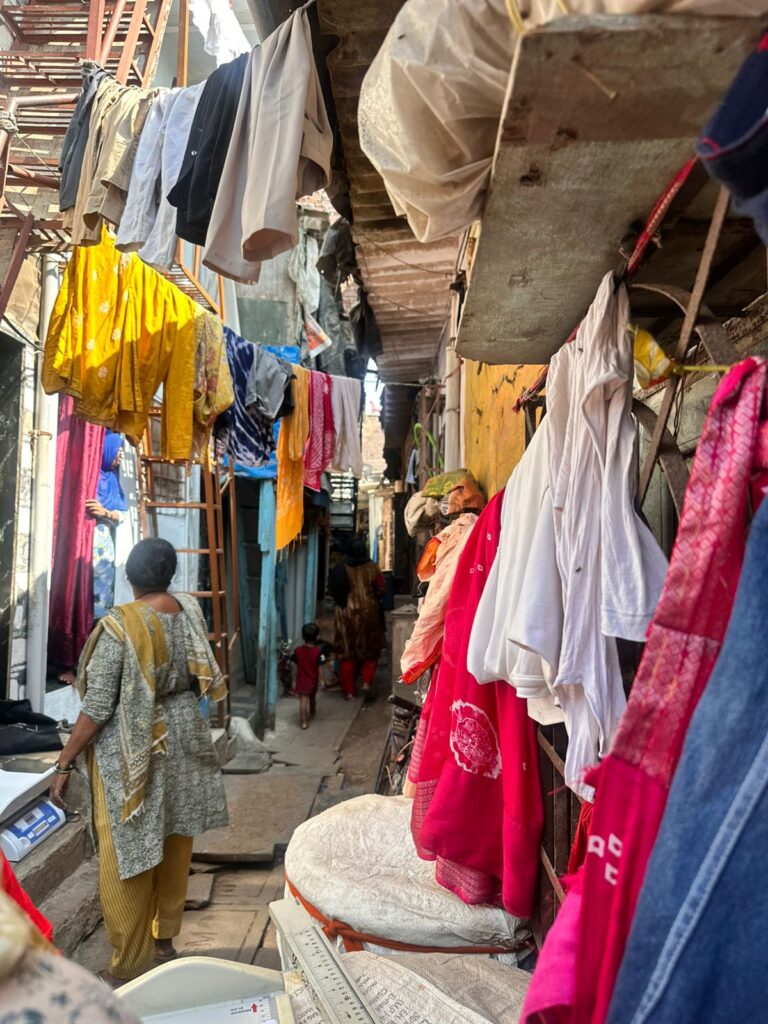
One of the first things I learned in the field was the actual implementation of a concept we study so much about, the systematic random sampling. The team screened every 7th household for eligibility, and even if the 7th household was not eligible and we could see an eligible family right next door, we must skip 7 houses again before knocking. This process, which seemed difficult at first, is what keeps the data scientifically valid.
To screen the houses, the investigator politely knocked on the doors and confirmed eligibility. If an eligible participant was found, they were briefly introduced to the purpose of the study and were asked to provide a suitable time in the day when they would be available for the interview.
Insights from the interviews
I observed four interviews over the course of the day, each lasting about 20-25 minutes. The interview process began with informed consent, which was obtained after a thorough explanation of the interview's aims and objectives. The investigator informed the respondent (mothers of children aged 0-5 years) about the voluntary nature of participation and confidentiality of the information shared.
A major concern during the interview process was ensuring privacy. Given the small houses with only one room, asking the elders and in-laws for privacy was challenging. While some readily agreed and some resisted, all were skeptical of the interview questions. In some questions, especially in the sections on relationship dynamics and mental health, probing was required to elicit answers. There was hesitation in answering questions about the relationship with the husband, and it was evident that they were not willing to share their personal relationships openly. In cases of resistance, the investigators would politely ask the question again to ensure participants were more comfortable. With rapport building, they gradually answered the questions.
A day of many firsts: Observations from the anthropometric data collection
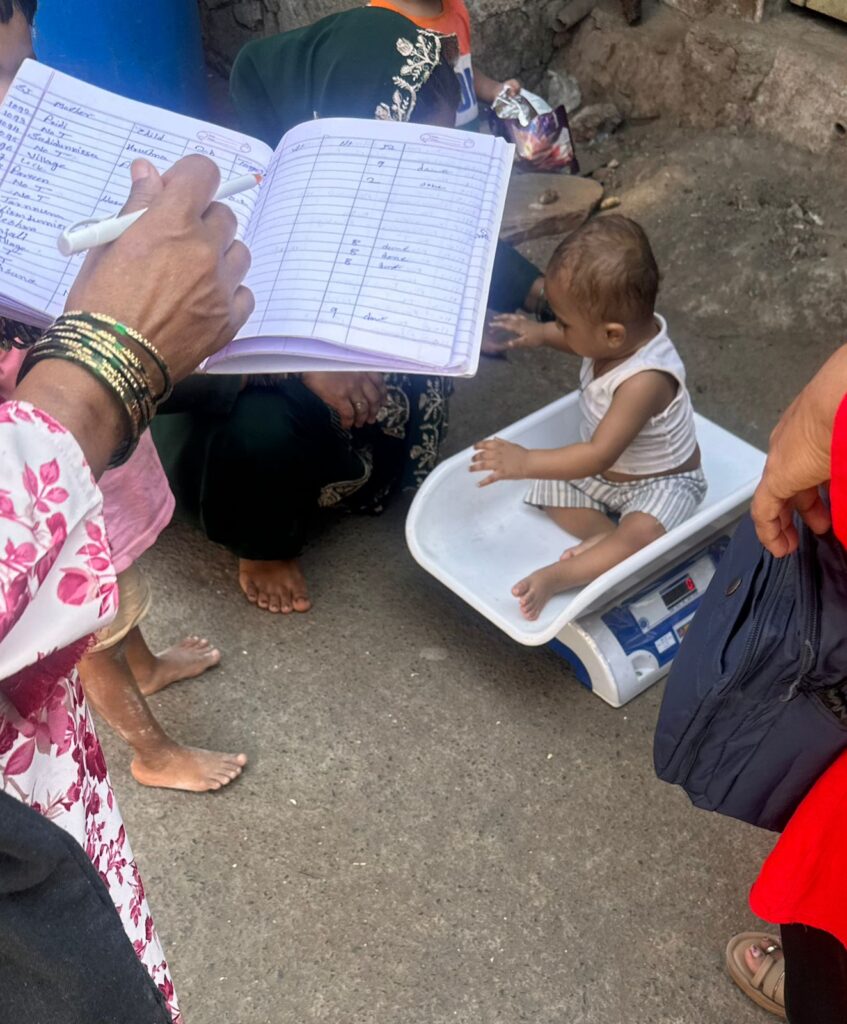
Coming from a non-clinical background into the field of public health, I had to Google the term anthropometric data when my internship supervisor first asked me to observe it. However, what sounded like a pretty serious task turned out to be the most fun part of the day. The weighing and height scales were carried to different neighborhoods, and the children and mothers were called outside for the measurements. This part of the survey encountered the least resistance from the community, and they were happy to receive details about their children's growth.
The younger children under 2 years of age were scared during the process and were crying continuously. The mothers revealed that they feared they would be given a vaccine, and it was interesting to see how children associate anthropometric data collection with immunization. Amusingly, the face of Pavlov, whom I had left behind after my Bachelor's in Psychology, flashed before my eyes.
Observations beyond the data collection
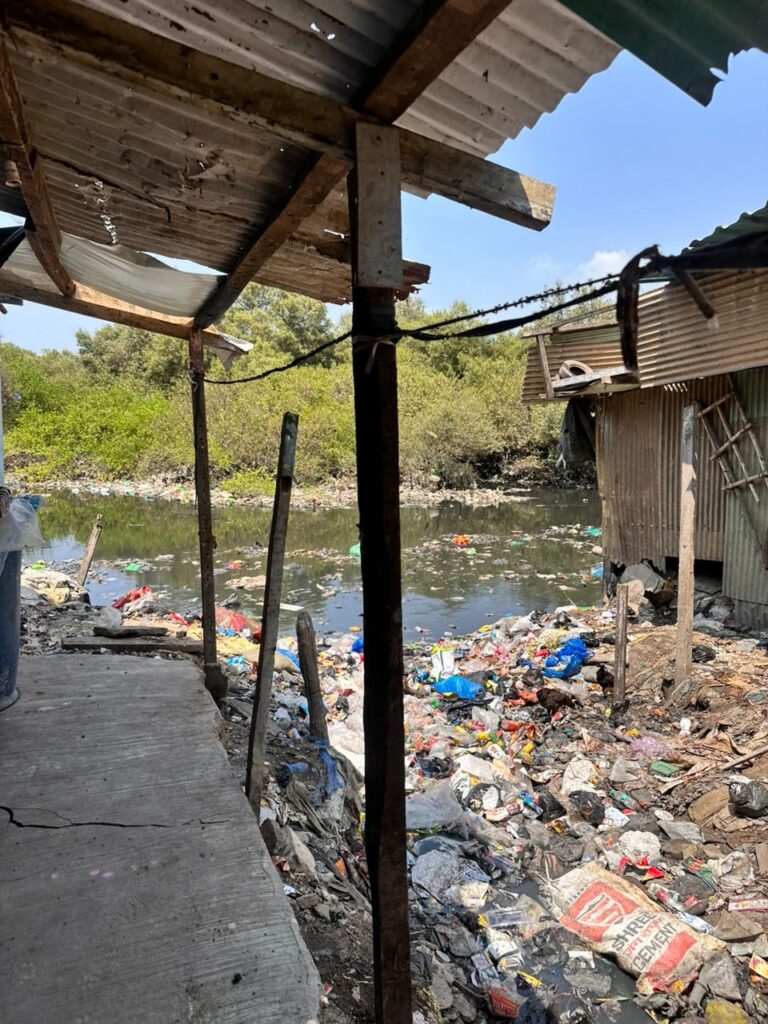
The hours spent walking through Janta Nagar left me with memories that no textbook can teach.
The most striking observation was the stark contrast between the inside and outside of homes. Despite the limited spaces, people maintained good hygiene and cleanliness in their homes. However, the external environment was extremely polluted and unhygienic. There is a dumping ground at one end of the basti that is poorly managed, and the waste is constantly blown towards the houses with strong winds. This highlighted how health hazards often exist outside individual control.
Another common theme observed was the high intake of packaged and processed food by children. During one of the interviews with a woman who runs a local general store, more than 4 children came with 2-5 rupees in coins to buy soda, chocolates, or chips. The sad reality is the availability of cheap options like a Rs. 5 tube of flavored sugar, which many children were eating.
There was also a concerning pattern of tobacco consumption among women, especially breastfeeding mothers, as tobacco is not just harmful for them but also their children. Another key concern was the lack of awareness of family planning and reproductive health. During the interview, it was revealed that many people still consider children as a ‘gift of God’ and would like to have as many children as possible.
Learnings:
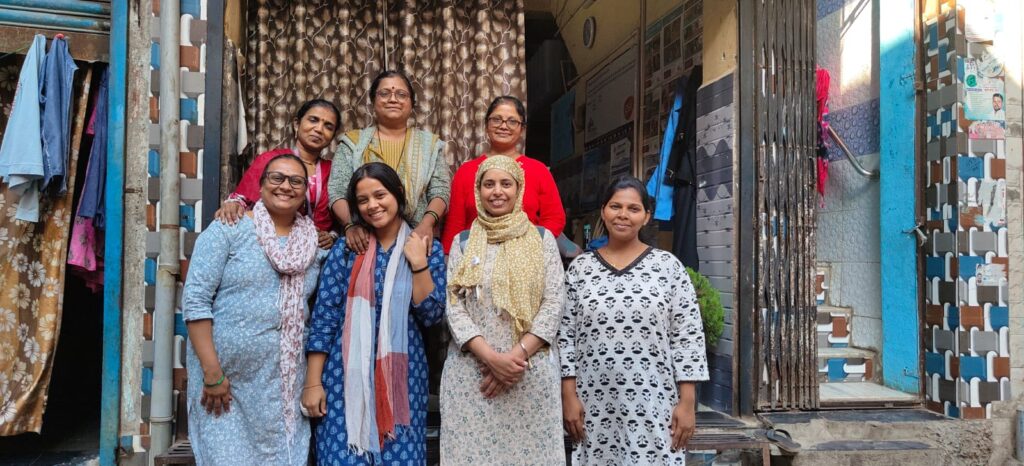
It's hard to compress an entire day's worth of learning into a few lines. But if I had to identify what struck me most, it would be that good research is built on trust, and trust is built with respect for the people you're working with.
The investigators I observed carried this respect at every stage. In the way they screened households, the way they introduced the interview, the way they navigated resistance without ever making a participant feel pressured. The rigour of the sampling process, the ethics of informed consent, and the skill of probing without intruding were things I had read about, but watching them in practice deepened my understanding.
I would like to extend a heartfelt gratitude to the entire SNEHA team, my internship supervisors, the investigators, and the program coordinators for providing me with this opportunity and being there every step of the way.
Share: